
A guide for parents navigating the summer schedule
Summer arrives with the best intentions. You want your child to grow, make memories and maybe even get a head start on something meaningful. So you sign them up — camp here, lessons there, a program or two to keep things moving. Before long, the calendar is full and summer feels a lot like the school year with warmer weather.
Sound familiar?
Finding the right balance between structured activities and free time is one of the most common challenges parents face when summer rolls around. There’s no perfect formula, but there is a lot of research that can help.
The case for structure
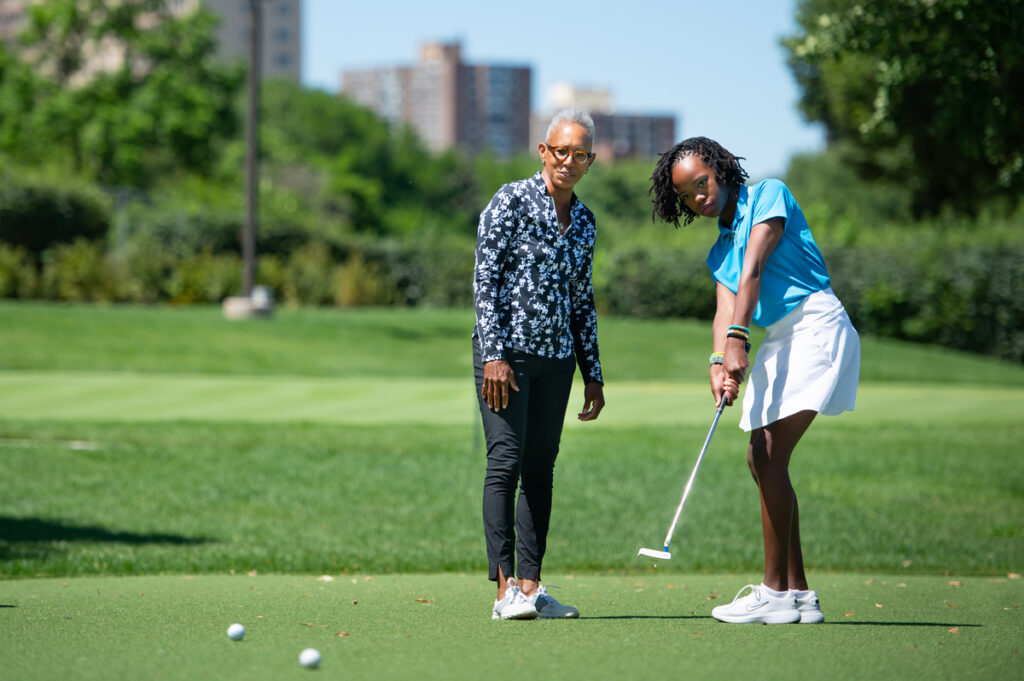
Structured activities give kids something school schedules naturally provide: routine, accountability and a sense of purpose. When children commit to a team, program or class, they practice showing up even when they don’t feel like it. They learn to follow through. They build relationships with coaches and mentors who see them differently than their parents do, and that outside perspective can be incredibly powerful.
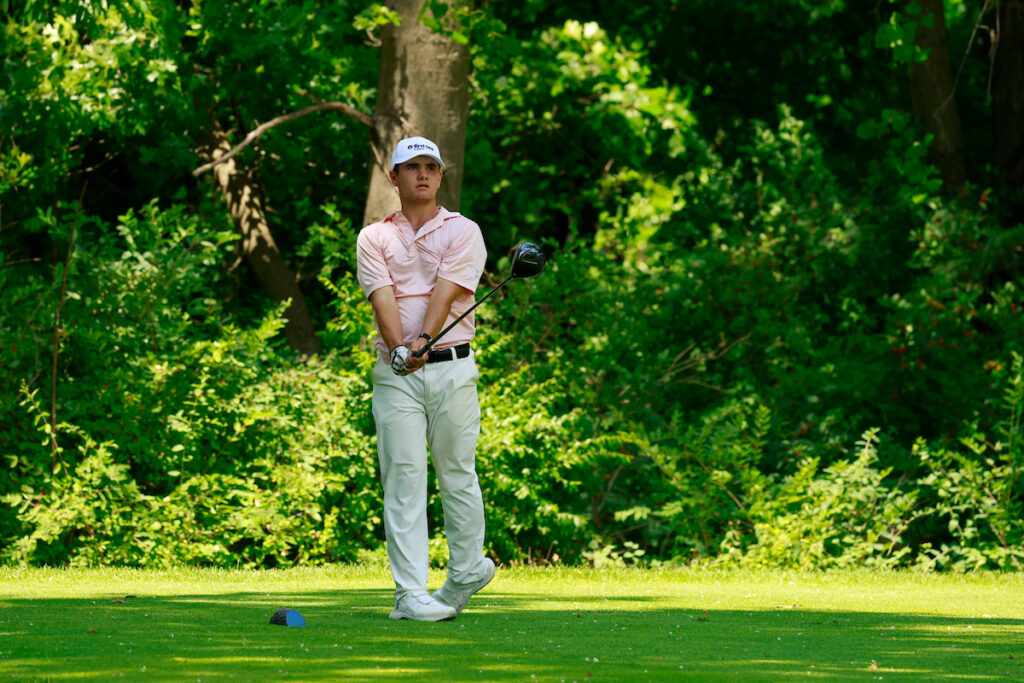
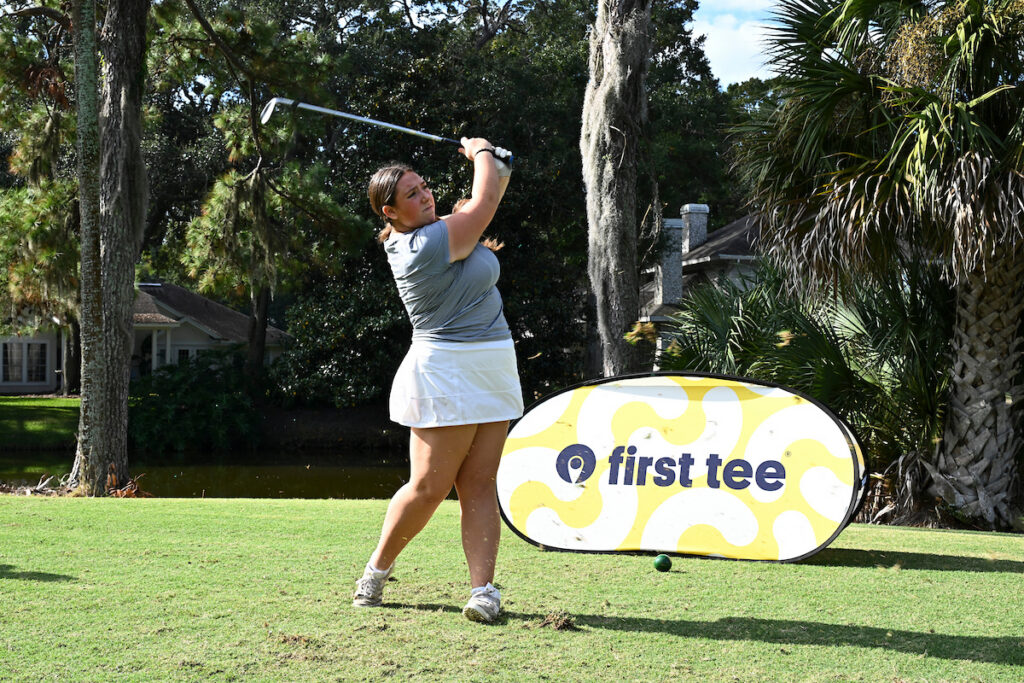
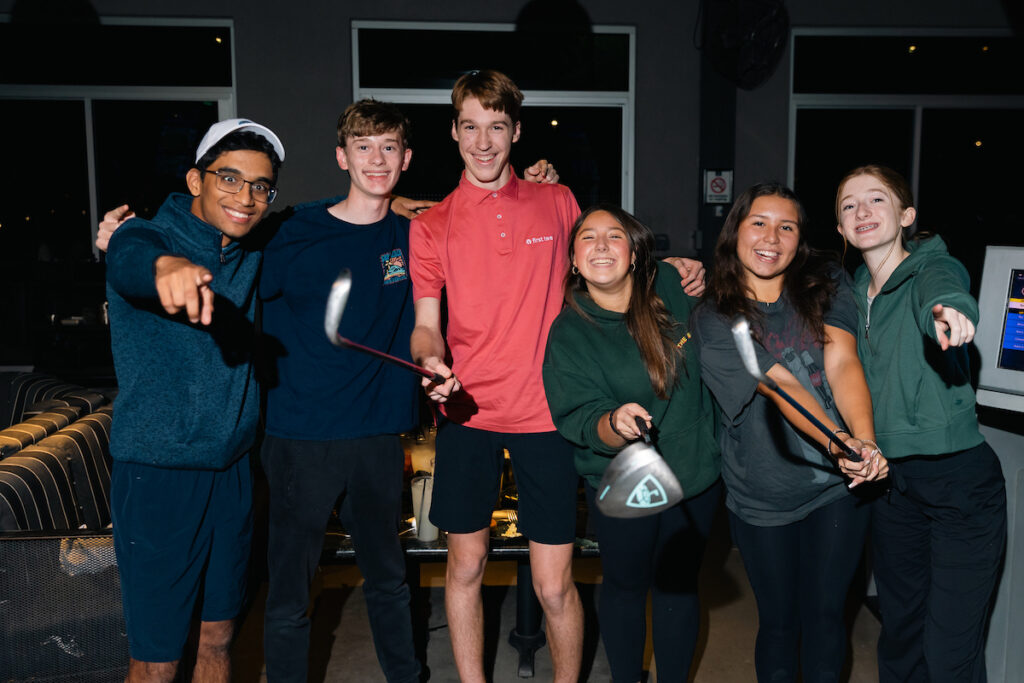
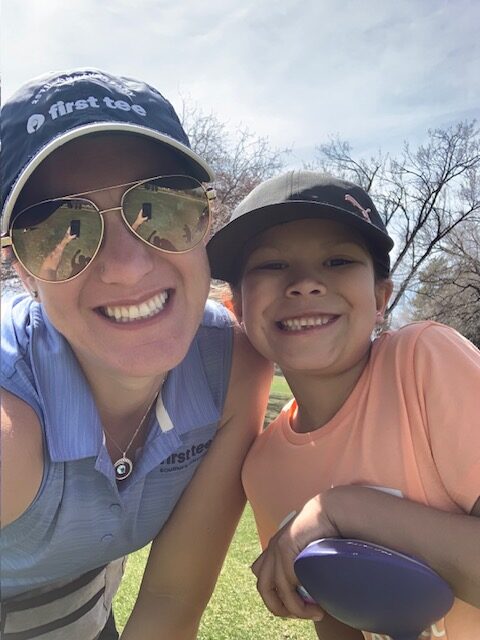
Programs like First Tee give kids a structured environment where they’re not just learning a sport but developing the habits and character traits that carry into every other area of their lives.
Why unstructured time matters just as much
Here’s what the research consistently shows: Kids need boredom. Not as a punishment, but as a gift.
When children have unstructured time — time without a screen, schedule or adult directing the action — they’re forced to use their imaginations, negotiate with peers, solve problems on their own and discover what they enjoy. This kind of self-directed play is where creativity lives.
Child development experts note that free play is essential to healthy cognitive and emotional development. When every hour is scheduled, kids miss out on the chance to just be – a surprisingly important skill.
Finding the balance that works for your family
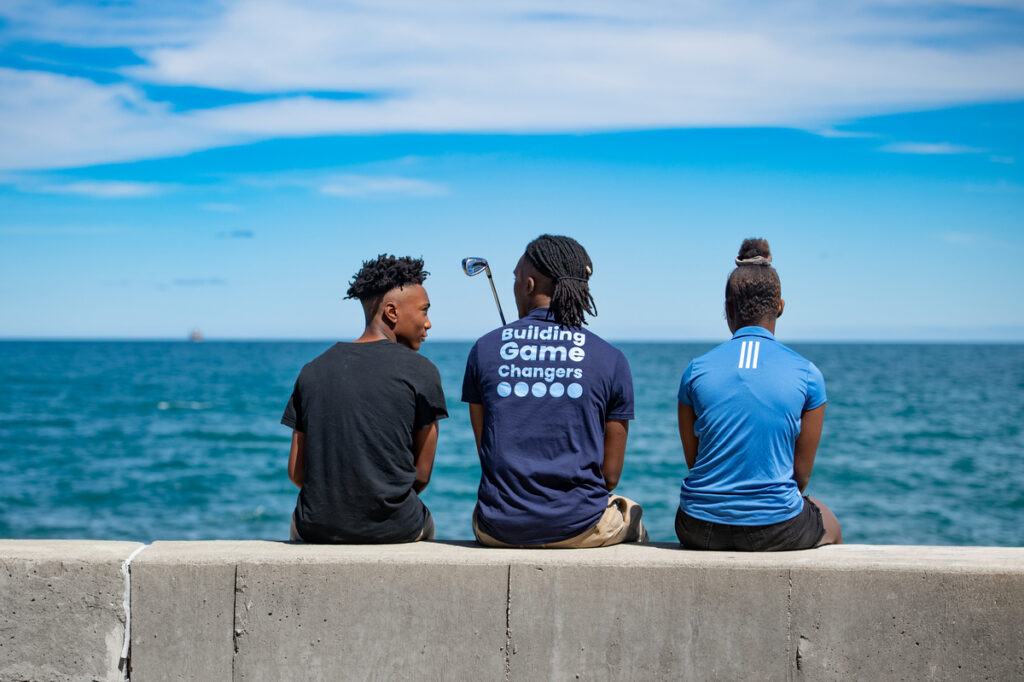
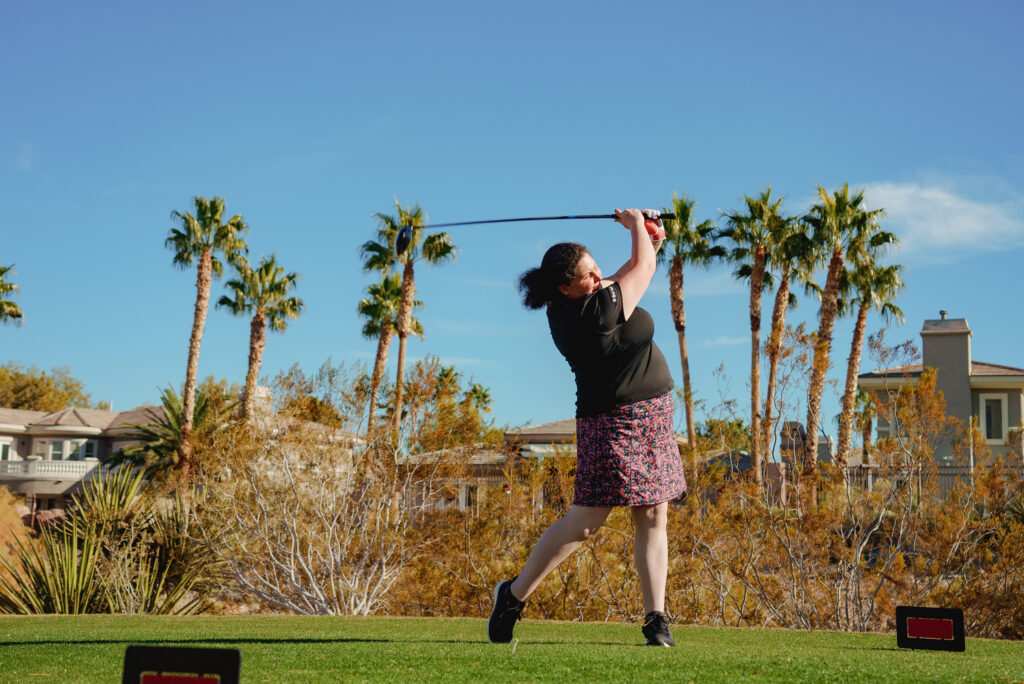
To keep kids engaged in youth sports, Project Play advocates that organized instruction, structured play and unstructured play should work in tandem. While First Tee lessons provide the first two components, a family golf outing or on-course round with friends can help nurture your child’s love for the game.
There’s no universal ratio of structured to unstructured time that works for every child or every family. But here are a few questions to help you find yours:
Is your child energized or drained after their activities? The right structured program should challenge your child, but it shouldn’t leave them depleted every day. If they’re consistently exhausted or resistant, it may be worth reassessing the schedule.
Do they have time to be bored? Boredom is uncomfortable at first. Kids will tell you there’s nothing to do. Give it 20 minutes. Often, that’s when the best stuff happens — the backyard fort, the invented game, the book they finally picked up.
Are they driving any of it? Summer is a natural time to let kids have more say in how they spend their time. If kids have a say in which activities they want to continue or try and when they want downtime, it builds the kind of autonomy that develops into good decision-making over time.
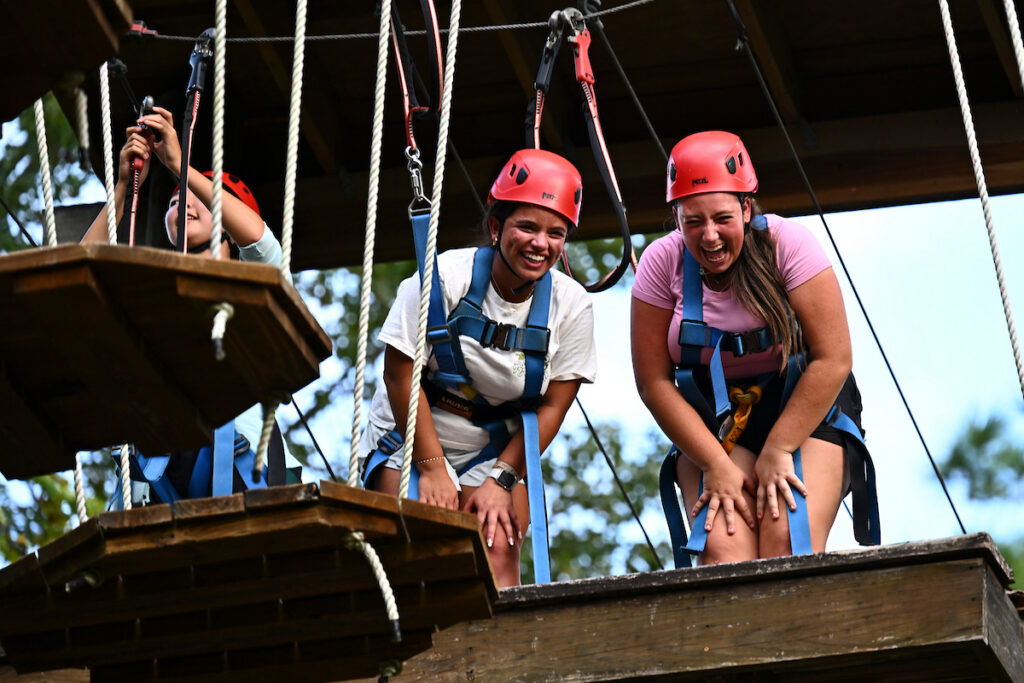
Is there room for spontaneity? If your childcare needs allow, leave some white space in the calendar. The best summer memories often happen unplanned.
The goal isn’t to maximize your child’s summer. It’s to give them a summer that helps them grow in skill, character and their sense of self.
That means some structure, some commitment, some challenge, and yes, some long afternoons with nowhere to be and nothing to do.
Learn more about First Tee programming near you.


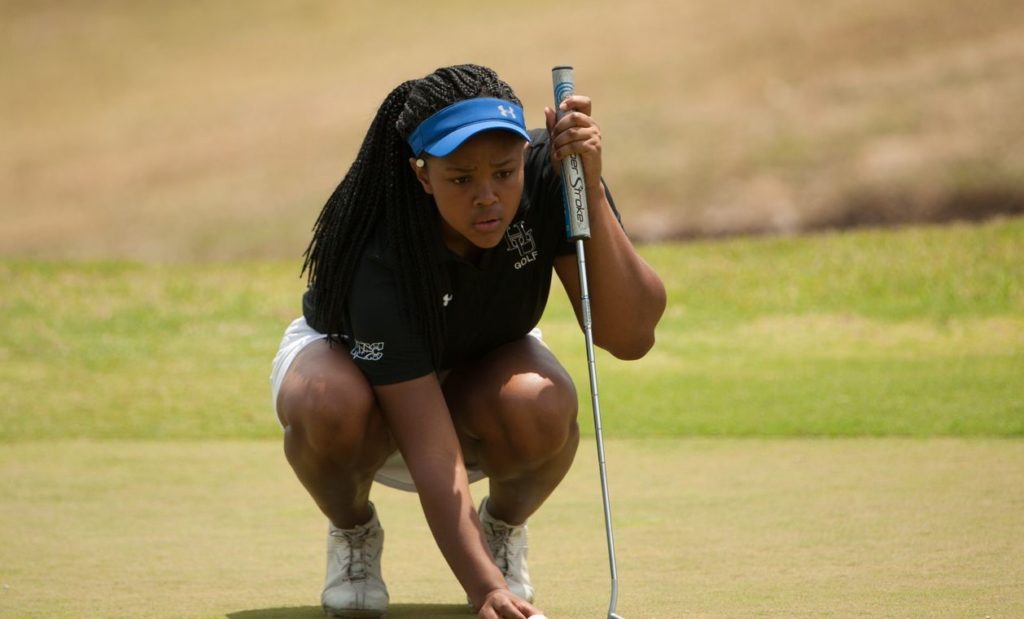 This time of year, many college students are preparing to head to their school and prepare for the upcoming school year. But this year looks different, especially for many student-athletes like Jakari Harris. Due to the financial impact of COVID-19, some universities have made the difficult decision to cut programs from the athletic department. This can be devastating for students who are also losing their scholarships, which means they are now paying for their education.
First Tee – Metro Atlanta alum, Jakari Harris, is doing something about it. A graduate of Hampton University and a former member of the golf team, Jakari was disheartened to learn that the golf team’s funding had been cut upon her graduation. She and a few other teammates have since started a
This time of year, many college students are preparing to head to their school and prepare for the upcoming school year. But this year looks different, especially for many student-athletes like Jakari Harris. Due to the financial impact of COVID-19, some universities have made the difficult decision to cut programs from the athletic department. This can be devastating for students who are also losing their scholarships, which means they are now paying for their education.
First Tee – Metro Atlanta alum, Jakari Harris, is doing something about it. A graduate of Hampton University and a former member of the golf team, Jakari was disheartened to learn that the golf team’s funding had been cut upon her graduation. She and a few other teammates have since started a 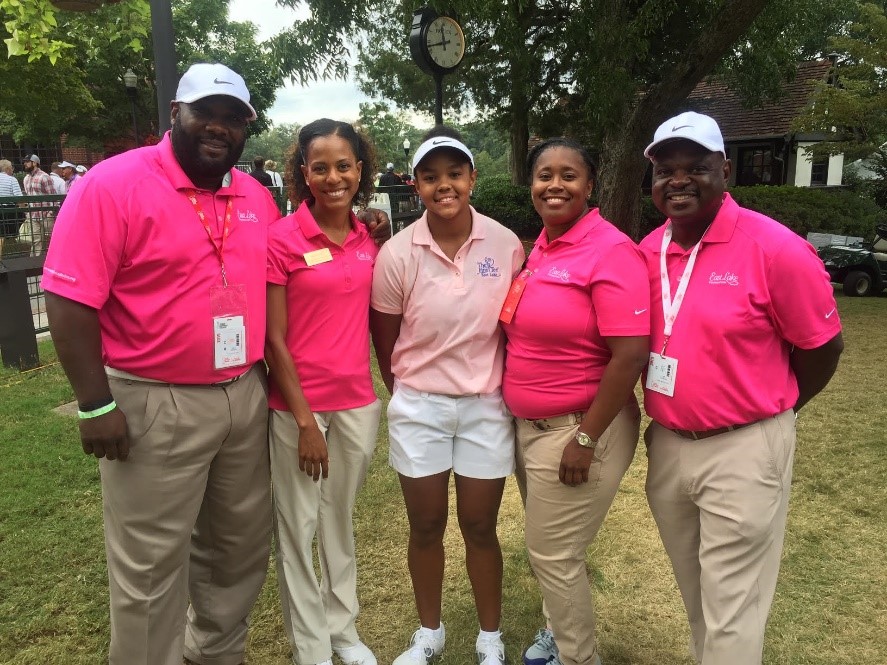 First Tee emphasizes the fact that participants not only learn golf skills, but also life skills. A lot of the values I hold near and dear to my heart are the very values that were taught in First Tee classes. My personal favorites were integrity and perseverance. Aside from life skills I learned, I also gained a family with First Tee. All of the coaches at my home chapter were extremely supportive to me on and off the course. They went above and beyond, and I consider many of them as my mentors.
First Tee camps always presented me with both new experiences and challenges. I soaked in all the instruction I could from every drill and practice session. Whenever I faced a challenge, I referred back to what I was taught earlier and tried to apply it. When I wasn’t successful, I could always ask one of the coaches for help. This is the same way I take on the new experiences and challenges in life. I take the experience for what it is and try to learn as much as I can. Then, I look at the challenges from every angle possible. Because of First Tee, I have no problem asking for help and learning from my mistakes.
One of my First Tee mentors is Coach Brittny Lott, and I actually still keep in contact with her regularly. She actually does my hair from time to time. Her love for the Lord pushes me to develop a better relationship with God. She was very patient and encouraging when I first met her. Because of my competitiveness, I would sometimes be too hard on myself when I didn’t perform well during competition. She would give me encouraging words and talk me down.
I called her after one of my tournaments in college when I shot a terrible score. I just kept saying “I don’t know why I keep doing this. I know I can do better than this.” She brought up a very good point that will always be in the back of my mind. Things happen in golf that you can’t control. Even professionals have their off days. Instead of reacting to what I scored on the last hole, I can choose to not give up and do my very best from then on. If you can walk away knowing you did your best, that’s all you can ask for.
First Tee emphasizes the fact that participants not only learn golf skills, but also life skills. A lot of the values I hold near and dear to my heart are the very values that were taught in First Tee classes. My personal favorites were integrity and perseverance. Aside from life skills I learned, I also gained a family with First Tee. All of the coaches at my home chapter were extremely supportive to me on and off the course. They went above and beyond, and I consider many of them as my mentors.
First Tee camps always presented me with both new experiences and challenges. I soaked in all the instruction I could from every drill and practice session. Whenever I faced a challenge, I referred back to what I was taught earlier and tried to apply it. When I wasn’t successful, I could always ask one of the coaches for help. This is the same way I take on the new experiences and challenges in life. I take the experience for what it is and try to learn as much as I can. Then, I look at the challenges from every angle possible. Because of First Tee, I have no problem asking for help and learning from my mistakes.
One of my First Tee mentors is Coach Brittny Lott, and I actually still keep in contact with her regularly. She actually does my hair from time to time. Her love for the Lord pushes me to develop a better relationship with God. She was very patient and encouraging when I first met her. Because of my competitiveness, I would sometimes be too hard on myself when I didn’t perform well during competition. She would give me encouraging words and talk me down.
I called her after one of my tournaments in college when I shot a terrible score. I just kept saying “I don’t know why I keep doing this. I know I can do better than this.” She brought up a very good point that will always be in the back of my mind. Things happen in golf that you can’t control. Even professionals have their off days. Instead of reacting to what I scored on the last hole, I can choose to not give up and do my very best from then on. If you can walk away knowing you did your best, that’s all you can ask for.
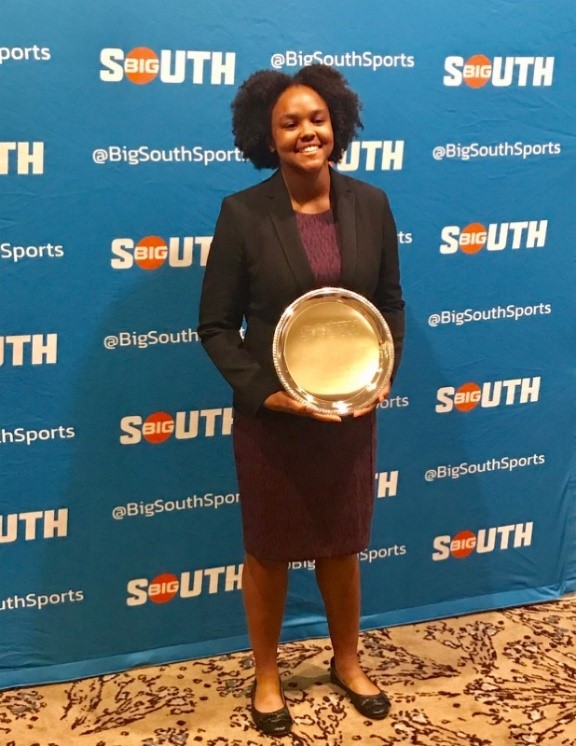 First Tee coaches have had one of the biggest impacts on my life. They care about each and every participant. Even when I would go to a First Tee camp where I didn’t know anyone, the coaches made me feel so welcome and at home. The relationships I have formed through this organization are priceless.
Looking forward, I eventually want to become a professor at a Historically Black College and University (HBCU). After graduating in STEM from an HBCU, I know that there are very good students there who just need better resources. I was able to end up where I am because of resources I came across and relationships I developed. I am now in the Biomedical Engineering PhD program at Georgia Tech and Emory University.
First Tee taught me how to network and keep in contact with the people you meet. Sometimes it’s more about WHO you know than WHAT you know. The core values I learned will help me through grad school and beyond.
If you wish to help support Jakari and her fellow Hampton Golf Alumni in their efforts to off-set the lost scholarships and bring the golf program back, visit their
First Tee coaches have had one of the biggest impacts on my life. They care about each and every participant. Even when I would go to a First Tee camp where I didn’t know anyone, the coaches made me feel so welcome and at home. The relationships I have formed through this organization are priceless.
Looking forward, I eventually want to become a professor at a Historically Black College and University (HBCU). After graduating in STEM from an HBCU, I know that there are very good students there who just need better resources. I was able to end up where I am because of resources I came across and relationships I developed. I am now in the Biomedical Engineering PhD program at Georgia Tech and Emory University.
First Tee taught me how to network and keep in contact with the people you meet. Sometimes it’s more about WHO you know than WHAT you know. The core values I learned will help me through grad school and beyond.
If you wish to help support Jakari and her fellow Hampton Golf Alumni in their efforts to off-set the lost scholarships and bring the golf program back, visit their 
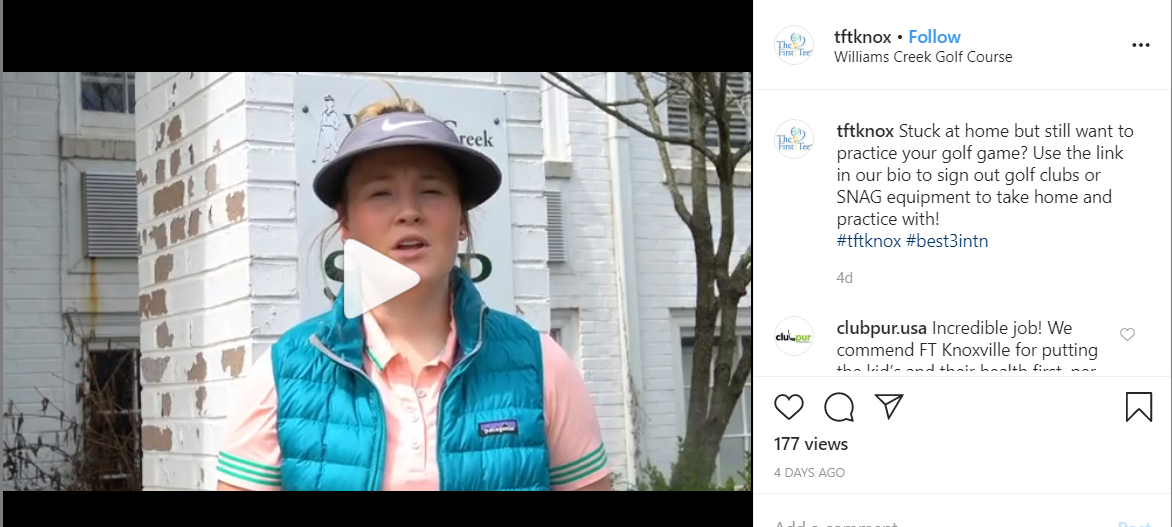 These times can be challenging, but know that we are all in this together and we will continue to serve as a resource to help your kids stay active, healthy and resilient.